
Catharina’s CDH Story
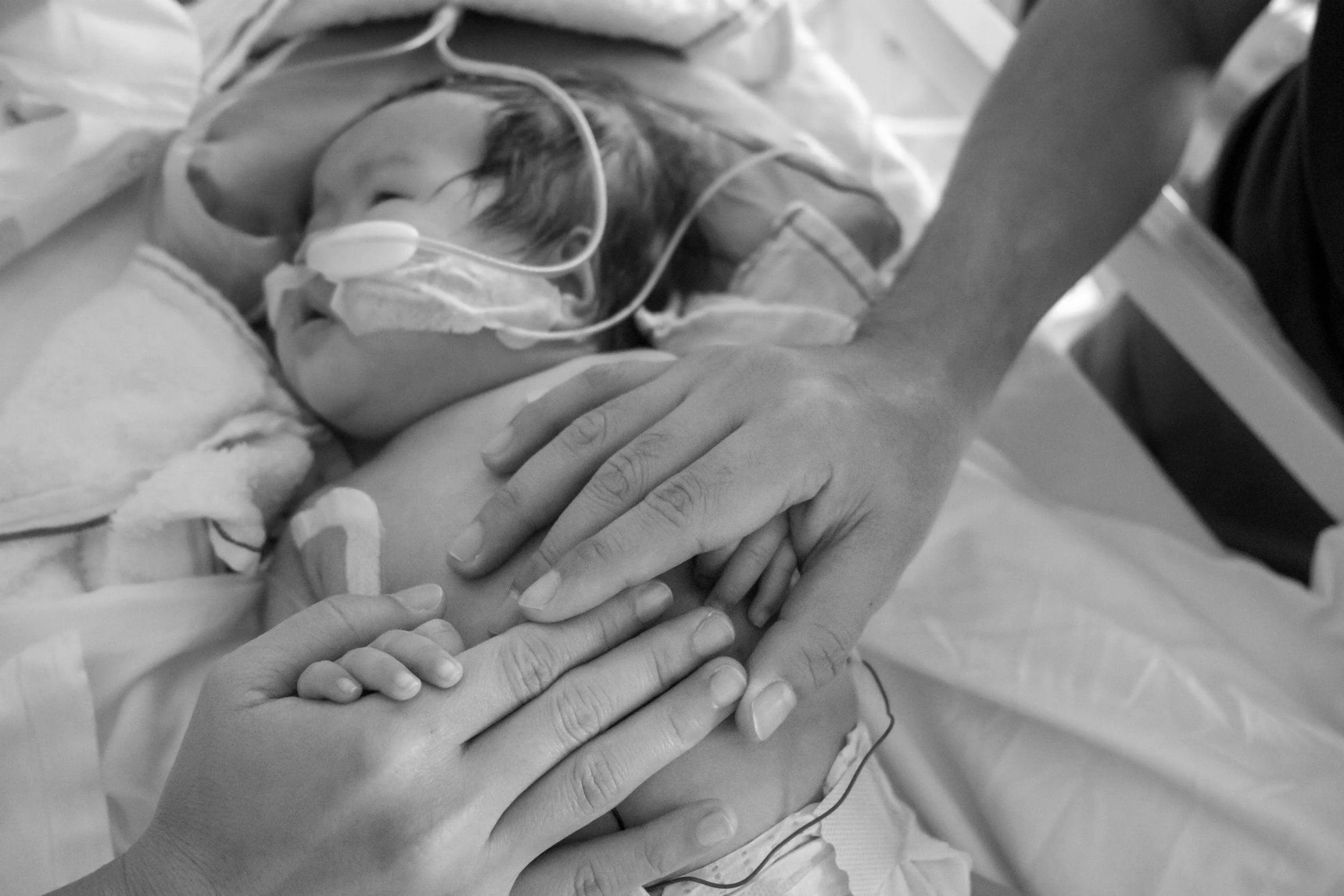
We originally came from the Philippines, full of hopes and dreams, and ready to begin a new chapter of our lives in the Netherlands. After settling in for four months, we received the most wonderful blessing—we were expecting our first child. It was an exciting time filled with plans, baby preparations, and joy.
On the day my wife went into labor, we were full of anticipation. We packed our hospital bags, brought along the infant car seat, and imagined bringing our baby home the next day. At that point, we had no idea what lay ahead. There had been no indication of complications during the pregnancy. Everything seemed normal—until it suddenly wasn’t.
On September 25th, 2023, our daughter Catharina Shania was born. But there was no joyful first cry, no gentle handover from the doctor. Instead, there was urgency. She was quickly intubated and rushed to the neonatal intensive care unit (NICU). We were blindsided by the diagnosis—Congenital Diaphragmatic Hernia (CDH). It was the first time we had heard of it, and we were told she had a severe case.
Soon after birth, her condition worsened, and doctors told us she needed ECMO therapy—a machine that would take over her heart and lung function to give her body time to rest and heal. We were terrified, but we agreed. While on ECMO, she underwent her CDH repair surgery, a high-risk procedure made even riskier because of the blood-thinning required during ECMO. It was a critical, uncertain moment.
As the days passed, our tiny girl showed incredible resilience. After a week, she was weaned off ECMO, but the fight was far from over. She was still battling pulmonary hypertension, and the doctors tried every available option—oxygen, nitric oxide, various medications—but nothing seemed to work. We’ll never forget when the medical team said, “We’ve run out of options.”
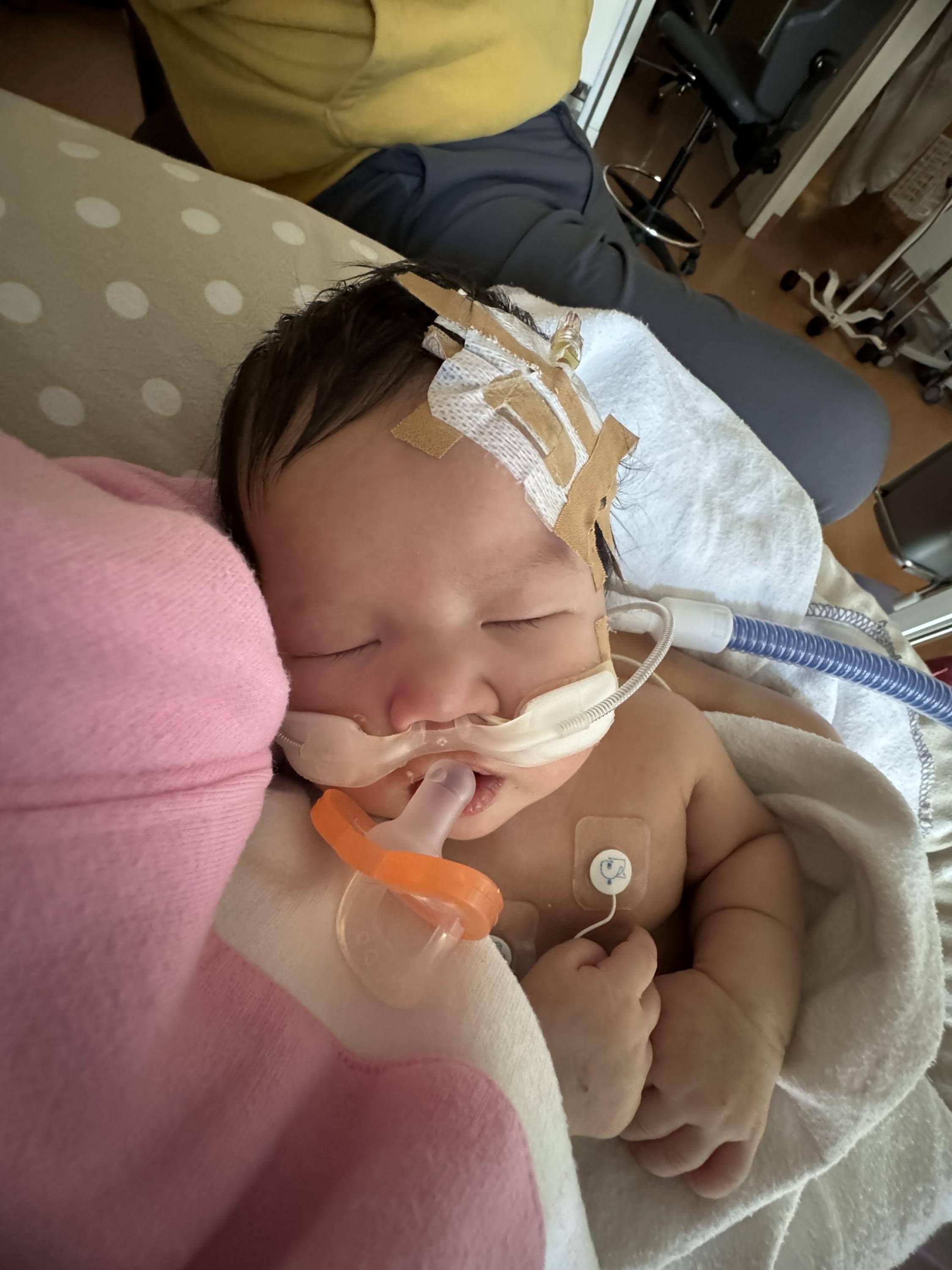
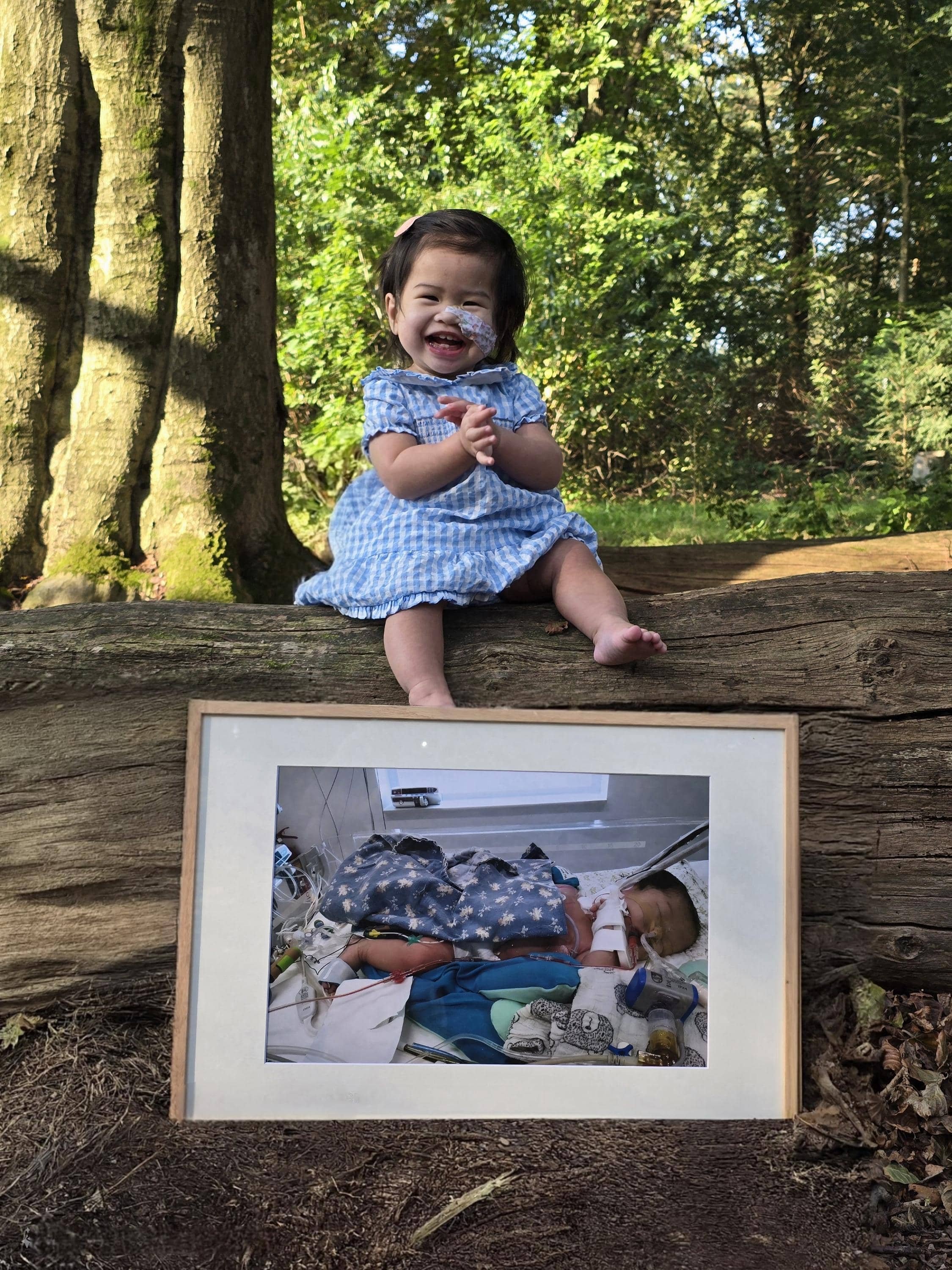
Then something extraordinary happened. Catharina began to respond positively to sildenafil (Viagra), a medication sometimes used to manage pulmonary hypertension in infants. It was a turning point—a glimmer of hope. Her oxygen levels improved, her heart pressures started to drop, and she began making slow but steady progress.
That December, we spent our very first Christmas as a family in the hospital. It wasn’t the holiday we had envisioned, but it was meaningful in its own special way. We were together—our little girl still fighting, still with us. In the quiet of the NICU, we found comfort in the simplest things: a gentle touch, a flicker of recognition in her eyes, the sound of her steady breathing. That Christmas will always hold a unique place in our hearts.
After over four months in the hospital, we were finally able to take her home. We were overjoyed—but the journey continued. Catharina still had a nasogastric (NG) tube and faced daily feeding challenges. She often vomited, and it was difficult for her to take in enough milk. Thankfully, with the help of a dedicated team of specialists—including a nutritionist, physical therapist, and logopedist (speech and feeding therapist)—Catharina began to overcome these hurdles too.
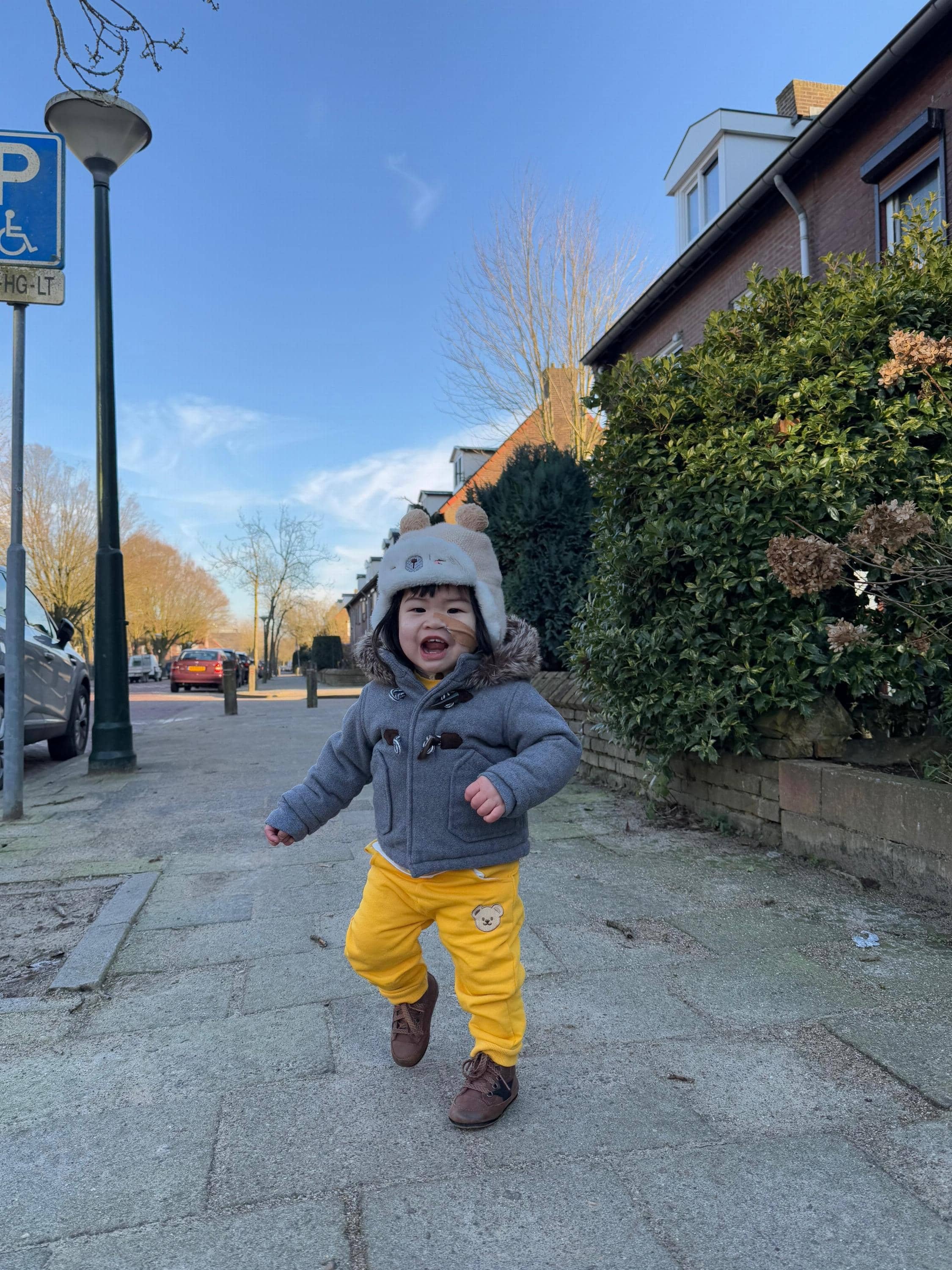
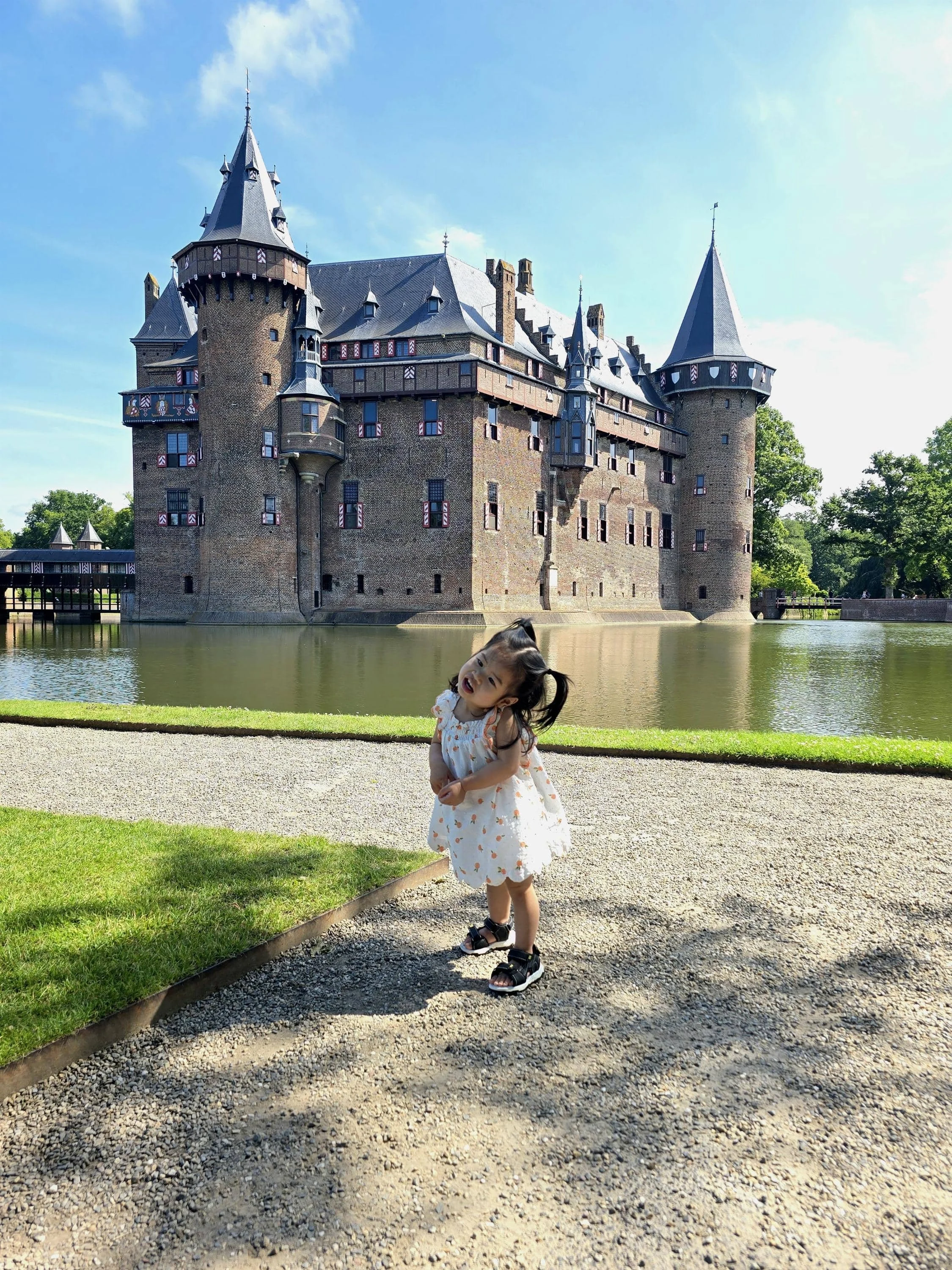
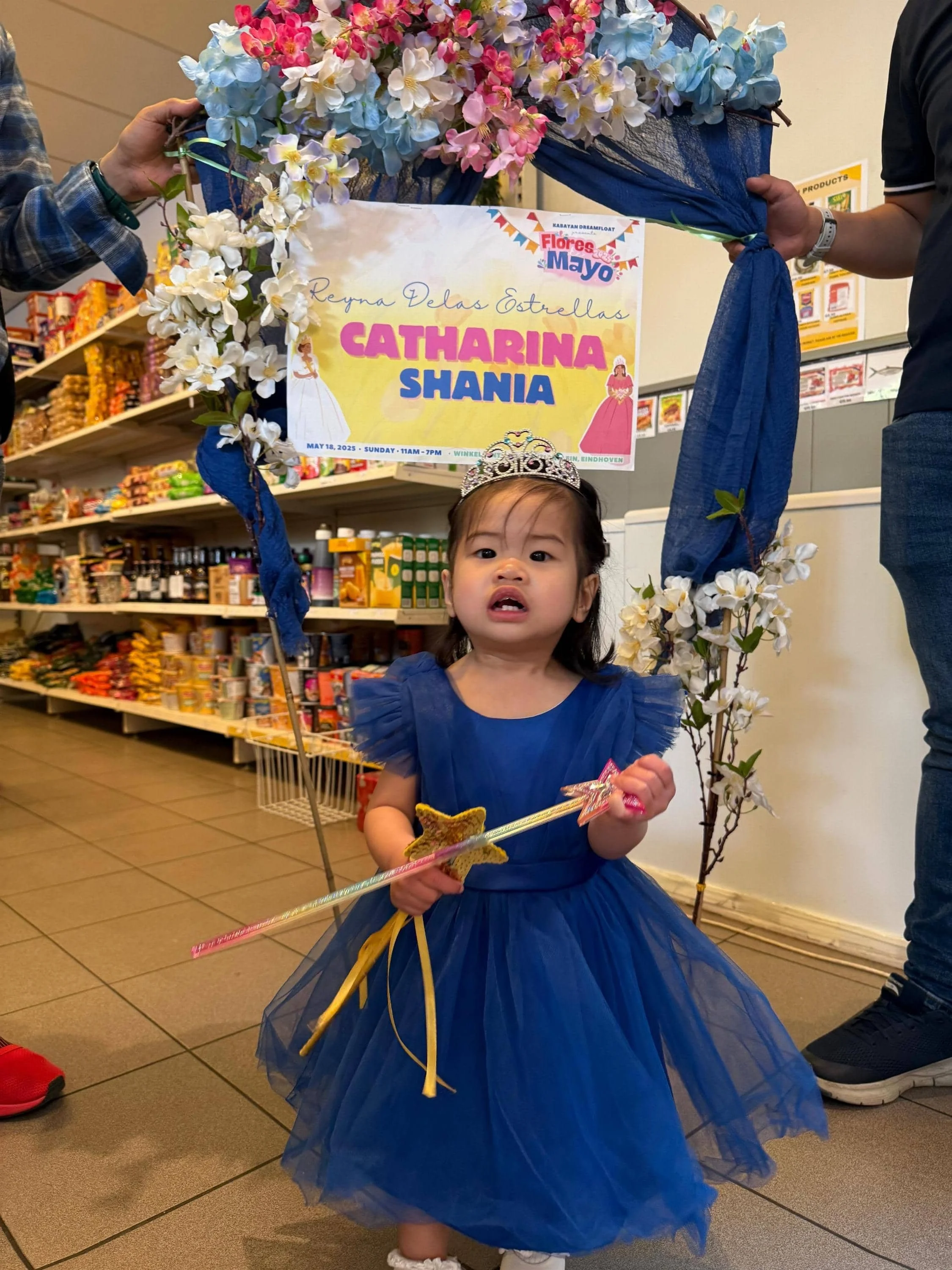
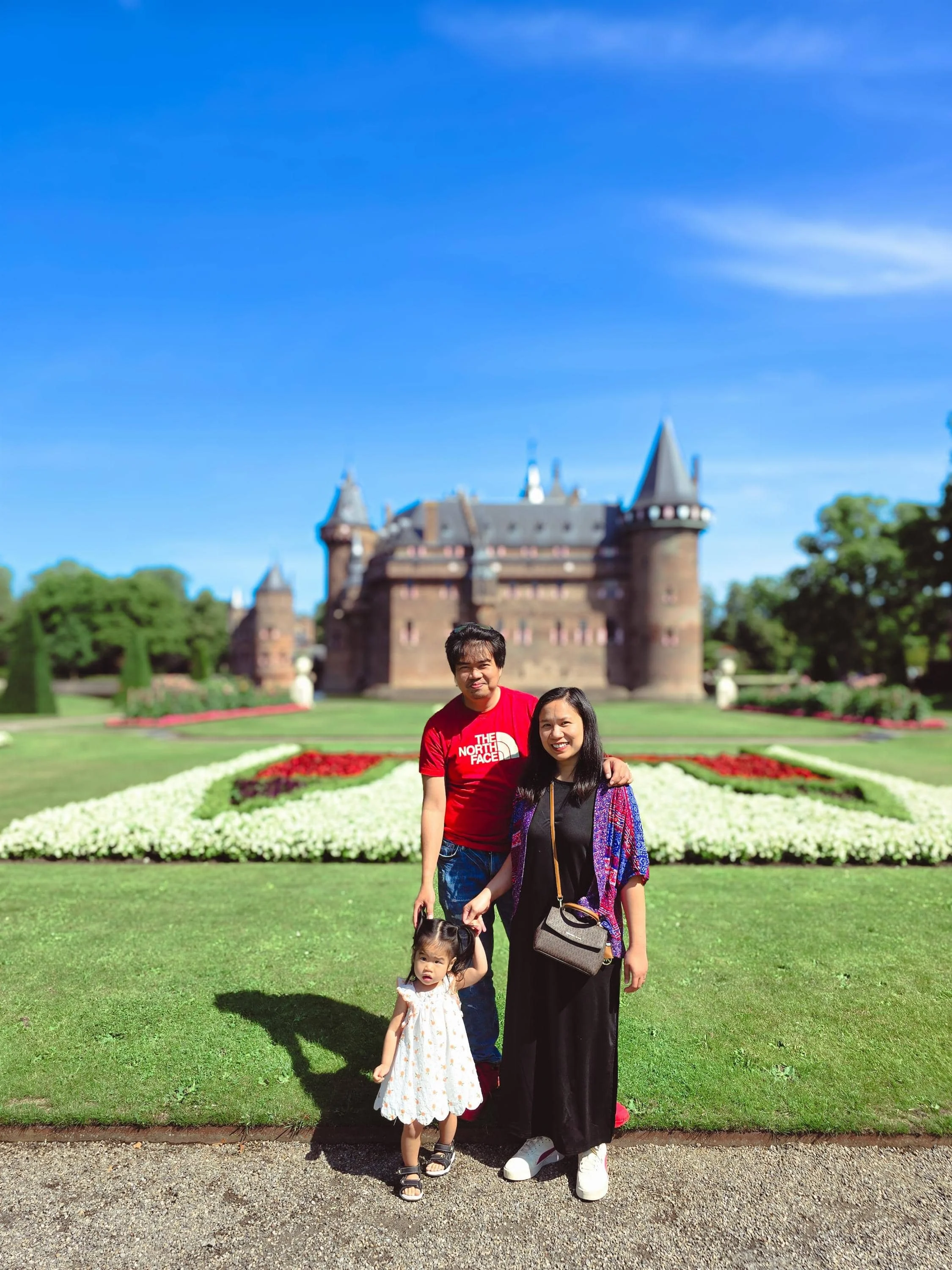
Today, two years later, Catharina is thriving. She’s an energetic, curious, and joyful little girl. She now attends daycare, where she loves music, clapping, waving at people, and flipping through books. She has her own personality—determined, affectionate, and strong.
To other CDH families: we know your fears, we’ve walked the same uncertain path, and we want you to know that there is hope. These babies are stronger than we can imagine. Catharina has shown us the power of perseverance, love, and faith.
She is our miracle. She is our light.
She is, and always will be, our Tiny Hero.